Dating Apps: Find Your Match Today

Finding the right dating app is no longer just about creating a profile and waiting for someone interesting to appear.
Modern dating platforms use location, personal preferences, profile information, verification tools and matching technology to help people discover potential connections that fit what they are actually looking for.
Some dating apps focus on casual conversations, while others are designed around relationships, compatibility or specific age groups. There are also important differences in privacy features, messaging rules, profile verification, free access and premium subscriptions.
That means the best dating app for one person may not necessarily be the right choice for someone else. Before choosing a platform, it is worth understanding how dating apps work, what features are available for free, what may require a subscription and which safety tools can make meeting new people online more comfortable.
Most popular dating apps start with the same basic information: age, location, gender and the type of people someone would like to meet.
However, many platforms now go considerably further.
Apps may allow users to specify interests, lifestyle preferences, relationship goals, education, habits, hobbies and other information that can help identify potentially compatible profiles.
The matching experience can therefore depend on more than physical proximity.
For example, someone interested in a serious relationship may prefer a platform that emphasizes detailed profiles and compatibility, while someone who simply wants to meet new people nearby may prefer a faster location-based experience.
Understanding these differences before signing up can save time and make it easier to choose an app that fits your expectations.
Location is one of the most common features used by dating apps.
With permission, an app may use approximate or precise location information to show profiles within a selected distance. Users can often change the distance range depending on whether they want to meet people in their neighborhood, city or a wider region.
This is why searches such as dating apps to meet singles near you or dating apps for local matches can lead to very different experiences depending on the platform.
Some services prioritize nearby profiles heavily, while others combine location with interests and compatibility signals.
For people living in large metropolitan areas, a smaller distance range may already provide many potential profiles. Someone living in a less populated area may need to expand the search radius to see more options.
Location settings should also be reviewed from a privacy perspective. Users should understand what location information an app collects and whether that information is displayed publicly.
Not everyone downloads a dating app for the same reason. Some people want a long-term relationship. Others may simply want to chat, date casually or meet new people after moving to a new city.
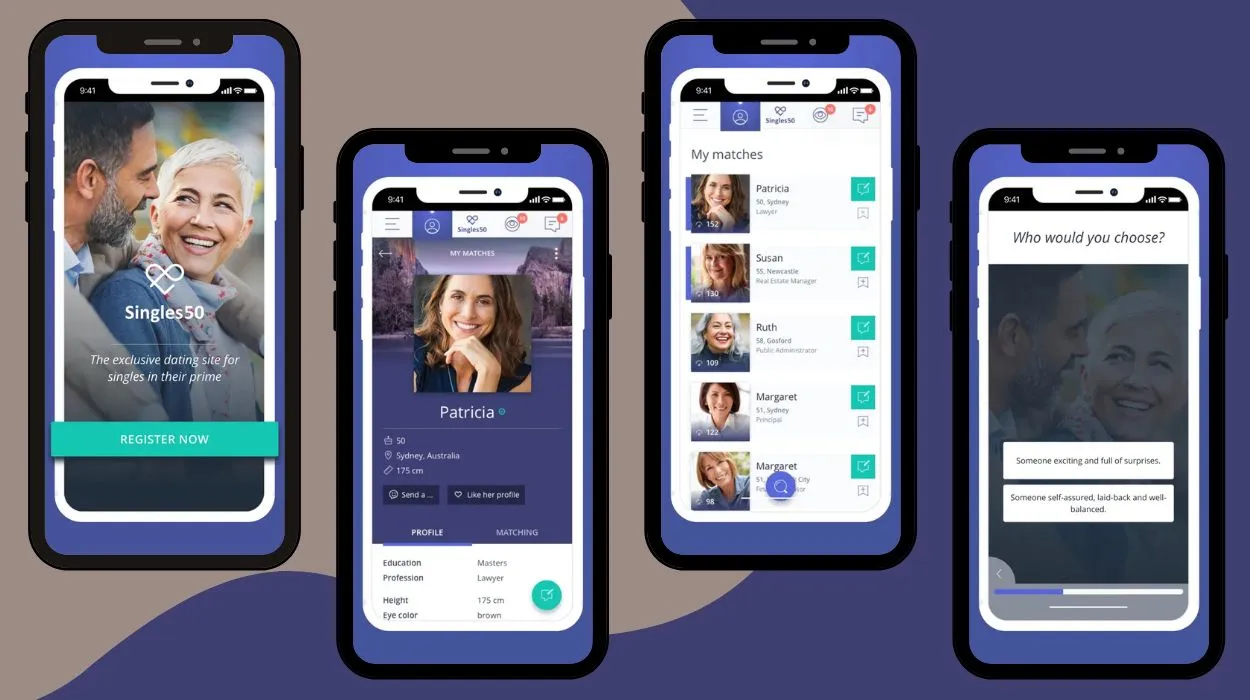
This is an important distinction when comparing platforms. Apps built around detailed profiles, compatibility questions and relationship preferences may appeal more to people interested in meaningful connections.
Swipe-oriented platforms can provide a faster way to browse profiles and may offer a much larger pool of users. Neither approach is automatically better.
The important question is whether the platform’s design matches what the user actually wants. Before creating a profile, look for settings that allow you to indicate intentions such as:
Being clear about your goals can also reduce mismatched expectations when conversations begin.
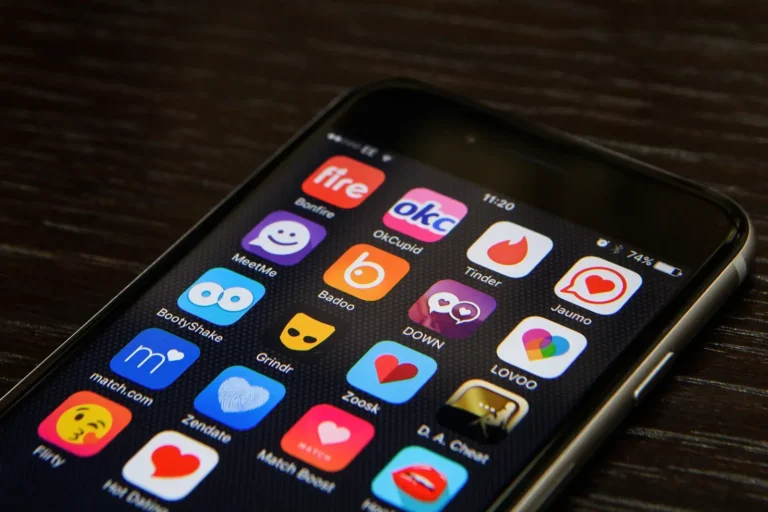
Tinder, Bumble and Hinge are among the best-known names in online dating, but their experiences are not identical.
Tinder is widely associated with its swipe-based discovery system and large user base. Profiles are generally discovered quickly, making the experience highly visual and location-oriented.
Bumble also offers profile discovery and matching, but has developed its own approach to how conversations and connections begin.
Hinge places greater emphasis on profile prompts and information that can give users more material for starting a conversation.
The availability and exact behavior of individual features can vary by location, account and product updates, so users should check the current terms and features directly with each service.
Rather than choosing an app solely because it is popular, consider how much profile detail you want, how you prefer conversations to start and what type of relationship you are interested in pursuing.
One common concern when meeting people online is whether a profile represents a real person. Dating services have introduced different verification systems to address this issue.
Depending on the platform, verification may involve selfies, photos, phone numbers, identity-related checks or other processes.
A verification badge can provide additional information about the steps an account has completed, but it should not be interpreted as a guarantee that another user is trustworthy or that every detail on a profile is accurate.
Basic precautions still matter. Before meeting someone, users should pay attention to inconsistent information, requests for money, attempts to move conversations off-platform unusually quickly and other suspicious behavior.
The safest approach combines platform tools with personal judgment.
Safety should be part of any dating-app comparison. Useful features may include:
Profile verification — helps users understand whether an account has completed the platform’s verification process.
Blocking — prevents unwanted accounts from continuing to interact with you.
Reporting tools — allow suspicious or inappropriate behavior to be reported to the service.
Privacy controls — can provide more control over what other users see.
Location controls — help determine how location information is used.
In-app messaging — allows initial conversations to take place without immediately sharing personal contact information.
These features differ between platforms and can change over time. Users should review the current safety and privacy information provided by a dating service before creating an account.
Many dating apps use a freemium model. This generally means that creating an account and using certain basic functions can be free, while additional features are offered through subscriptions or individual purchases.
Free access may include features such as browsing profiles, matching and limited communication, depending on the service.
Premium plans may add benefits such as additional discovery controls, more profile visibility, advanced filters or other features.
The exact offering varies considerably between platforms. This makes free vs paid dating apps an important part of the comparison.
A user who only needs basic matching and messaging may find the free version sufficient. Someone who wants more control over discovery or additional features may see more value in a subscription.
There is no single standard price for premium dating services. Prices can vary according to the platform, subscription duration, country, age in some markets, promotional offers and the package selected.
Some services offer monthly plans, while longer subscriptions may reduce the effective monthly cost. Before purchasing a subscription, check:
This matters because the least expensive plan is not automatically the best value. A better comparison asks whether the paid features are useful for the way you intend to use the service.
Premium dating features can sound attractive, but their practical value depends on how someone uses the app.
Advanced filters, for example, may be useful for a person with specific preferences. Additional discovery options may matter more in locations with a large number of users.
Features designed to increase profile visibility may be less important to someone who already receives enough relevant matches.
Instead of immediately purchasing the highest subscription tier, users can first understand the free experience and identify which limitations actually affect them.
That provides a better basis for deciding whether a premium feature is worth paying for.
The platform itself is only one part of online dating. A clear profile can help other users understand who they are considering connecting with.
Recent photos, useful profile information and specific interests usually provide more opportunities for meaningful conversation than a nearly empty profile.
Instead of relying entirely on generic descriptions, users can mention hobbies, activities or interests that naturally give someone something to ask about.
Profile prompts can serve a similar purpose. The objective is not to create a perfect profile. It is to provide enough authentic information for another person to decide whether starting a conversation makes sense.
Finding someone nearby does not necessarily mean finding someone compatible.
Location can determine which profiles are practical to meet, but interests, lifestyle and relationship goals can influence whether a connection develops beyond the first conversation.
This is why some dating platforms ask more detailed questions during profile creation.
Depending on the service, matching systems may consider information such as:
Users do not need to agree on everything.
However, platforms that provide more context can make it easier to understand potential compatibility before investing significant time in a conversation.
Getting a match is only the beginning. A first message based on something specific in another person’s profile can create a more natural conversation than a generic greeting.
Photos, profile prompts, hobbies and travel interests can all provide easy conversation starters.
For example, instead of sending only “Hi,” someone might ask about a place shown in a travel photo or an activity mentioned in the profile.
The goal should be a normal conversation rather than trying to impress someone immediately. It is also reasonable to stop communicating if the conversation becomes uncomfortable.
Dating profiles can contain personal information, so privacy settings deserve attention. Before using a service, review what information is publicly visible and what can be controlled.
It may be wise to avoid immediately displaying sensitive details such as a home address, workplace address or other information that could reveal someone’s exact routine.
Users should also consider carefully before moving a conversation to another messaging service or sharing additional personal information.
Privacy does not prevent people from getting to know each other. It simply allows that process to happen gradually.
When two people are comfortable with each other, they may decide to meet in person. For a first meeting, a public location is generally a sensible option.
Users can also tell a trusted friend or family member where they are going and maintain their own transportation options.
There is no reason to rush from a match to an offline meeting. Some people prefer to exchange messages for longer, while others may feel comfortable meeting sooner.
The appropriate timing depends on the people involved and their comfort level.
There is no universal answer. Someone prioritizing a large pool of nearby profiles may value a different platform than someone looking for detailed compatibility information. When comparing dating apps, consider five areas:
User base: Are there enough relevant users in your location?
Dating goals: Does the platform support the type of connection you want?
Safety: Are verification, blocking, reporting and privacy tools available?
Features: Are the functions you need included for free or behind a subscription?
Cost: If you decide to pay, does the premium plan provide meaningful value?
The best dating app is therefore not necessarily the one with the most features. It is the service whose users, tools and approach most closely match your goals.
Online dating has evolved far beyond simply displaying nearby profiles.
Modern dating apps can combine location, preferences, interests, profile information, verification features and different matching systems to help users discover potential connections.
At the same time, no technology can guarantee compatibility or a successful relationship.
Comparing platforms before committing to one can help you understand what is available, which features matter to you and whether paying for additional tools makes sense.
Start with your objective, review the privacy and safety features, understand what is included for free and take time to evaluate the people you meet.
A dating app should ultimately be a tool for making introductions. What happens after that depends on the people involved.